

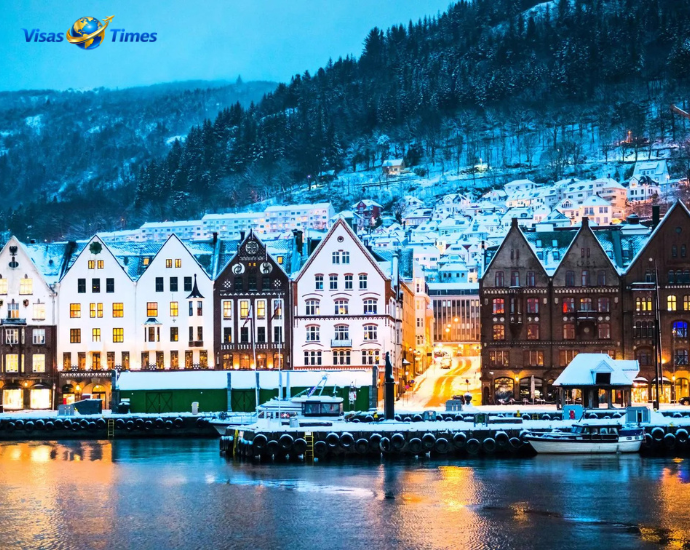
A Norway Visa is your first step toward exploring one of Europe’s most scenic, prosperous and opportunity-filled countries. Whether you aim to work, study or simply experience life in this Nordic nation, understanding the basics can make your journey smoother and more successful.
Why Choose Norway?
Norway consistently ranks among the best countries in the world for quality of life, safety and work-life balance. Known for its breathtaking fjords, northern lights and strong economy, it attracts thousands of immigrants every year. Beyond its natural beauty, Norway offers excellent healthcare, free or low-cost education and a well-structured labor market.
For first-time applicants, getting familiar with the overall immigration system is essential. While the process may seem complex at first, a clear understanding of your options can simplify your planning.
Understanding the Norway Visa
A Norway Visa allows foreign nationals to enter and stay in Norway for a specific purpose and duration. Depending on your goals, you may apply for a short-term visa (Schengen visa) or a long-term residence permit.
Short-term visas are generally issued for tourism, business visits or family trips and are valid for up to 90 days. Long-term visas, on the other hand, are designed for individuals who wish to work, study or settle in Norway.
The type of visa you choose will determine your eligibility criteria, documentation and application process. This is why it’s important to identify your purpose before applying.
Types of Norway Visas
There are several visa categories available depending on your needs. Understanding these categories is a key part of any Norway Immigration Guide.
1. Tourist Visa
This is a short-term visa that allows you to visit Norway for leisure or to meet family and friends. It falls under the Schengen visa category and does not permit employment.
2. Work Visa
A work visa is issued to individuals who have secured a job in Norway. Skilled workers, seasonal workers and job seekers can apply under this category. Employers often play a role in the application process.
3. Student Visa
If you have been accepted into a Norwegian educational institution, you can apply for a student visa. This visa allows you to stay for the duration of your course and may permit part-time work.
4. Family Immigration Visa
This visa is for individuals who want to join family members already residing in Norway. It is commonly used by spouses, children or dependent relatives.
5. Permanent Residence
After living in Norway for a certain number of years on a valid residence permit, you may become eligible for permanent residency.
Choosing the right visa type is crucial, as it directly affects your chances of approval and long-term plans.
Basic Norway Immigration Requirements
Before applying, you must meet certain Norway Immigration Requirements. These requirements vary depending on the visa type but generally include the following:
- A valid passport
- Completed application form
- Proof of financial stability
- Travel insurance (for short-term visas)
- Proof of accommodation
- Supporting documents based on visa type (job offer, admission letter, etc.)
Meeting these requirements accurately is essential. Even small errors or missing documents can lead to delays or rejection.
Step-by-Step Application Process
Applying for a Norway Visa involves several steps. While the process may differ slightly depending on your location and visa type, the general procedure is as follows:
Step 1: Determine Your Visa Type
Identify the purpose of your visit and select the appropriate visa category.
Step 2: Gather Required Documents
Prepare all necessary documents based on your chosen visa. Double-check for accuracy and completeness.
Step 3: Complete the Online Application
Most applications are submitted online through official immigration portals. You will need to fill in your personal details and upload documents.
Step 4: Pay the Application Fee
Visa fees vary depending on the type of visa you are applying for. Ensure you pay the correct amount.
Step 5: Book an Appointment
You may need to visit a visa application center or embassy to submit biometrics and attend an interview.
Step 6: Wait for Processing
Processing times can range from a few weeks to several months, depending on the visa type.
Step 7: Receive Your Decision
Once approved, you will receive your visa or residence permit, allowing you to travel to Norway.
Following these steps carefully increases your chances of a successful application.
Processing Time and Costs
The processing time for a Norway Visa depends on the category:
- Tourist visas: 15–30 days
- Work visas: 1–3 months
- Student visas: 1–2 months
Costs also vary. Short-term visas typically have lower fees, while long-term residence permits may require higher payments.
It is advisable to apply well in advance to avoid last-minute complications.
Common Challenges for First-Time Applicants
Many first-time applicants face challenges during the application process. Being aware of these issues can help you avoid them.
Incomplete Documentation
Missing or incorrect documents are one of the most common reasons for rejection.
Lack of Financial Proof
Applicants must demonstrate they can support themselves during their stay.
Unclear Purpose of Travel
Your application should clearly state why you are visiting Norway.
Delayed Applications
Applying too late can result in missed travel plans or academic sessions.
Understanding these challenges is an important part of any Norway Immigration Guide.
Tips for a Successful Application
To improve your chances of approval, consider the following tips:
- Start your application early
- Double-check all documents
- Provide clear and honest information
- Keep copies of all submissions
- Follow official guidelines carefully
Preparation and attention to detail can make a significant difference in your application outcome.
Living in Norway After Approval
Once your Norway Visa is approved and you arrive in the country, you will need to complete certain formalities. These may include registering with local authorities, obtaining a residence card and opening a bank account.
Norway offers a high standard of living, but it is also known for its relatively high cost of living. Planning your finances in advance is essential.
The country’s work culture emphasizes balance, equality and productivity. If you are moving for work or study, adapting to this culture can help you integrate more easily.
Long-Term Opportunities
A Norway Visa can be the beginning of a long-term journey. Many immigrants eventually apply for permanent residence after meeting specific criteria.
Permanent residency allows you to live and work in Norway without restrictions. After additional years, you may also become eligible for citizenship.
Understanding long-term pathways is an important aspect of Norway Immigration Requirements and planning your future in the country.
Applying for a Norway Visa may seem overwhelming at first, but with the right information and preparation, the process becomes manageable. From choosing the right visa type to meeting documentation standards, each step plays a crucial role in your success.
This introductory guide has covered the essentials to help you get started. By following a structured approach and staying informed, you can turn your dream of living in Norway into a reality.
Whether you are planning a short visit or a long-term move, taking the time to understand the system will give you a strong advantage. Use this knowledge as your foundation and take your first confident step toward Norway.
Follow VisasTimes for Latest Updates! Contact Us now…