

Croatia Visa is often the first thing that comes to mind when planning a move to one of Europe’s most beautiful and culturally rich destinations. Whether you are dreaming of coastal living, career growth or a peaceful lifestyle, understanding the process is the first step toward turning that dream into reality.
Why Choose Croatia?
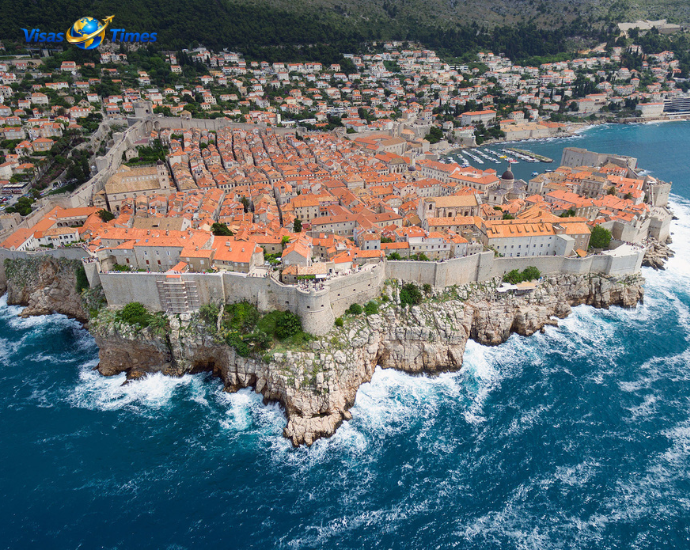
Croatia has steadily become a popular destination for international travelers and immigrants alike. With its stunning Adriatic coastline, historic cities and welcoming atmosphere, the country offers a unique blend of natural beauty and modern living. From the charming streets of Dubrovnik to the vibrant energy of Zagreb, Croatia presents diverse opportunities for people with different goals.
Beyond its scenic appeal, Croatia is also a member of the European Union, making it an attractive option for those seeking access to broader European markets and mobility. The cost of living is relatively moderate compared to other Western European countries and the quality of life is high.
Understanding the Croatia Visa
Before making any plans, it is essential to understand what a Croatia Visa is and why it matters. A Croatia Visa allows non-EU nationals to enter, stay and in some cases work or study in the country for a specific duration.
There are several types of visas available depending on your purpose of travel. These include short-stay visas for tourism, long-stay visas for employment or study and residence permits for those planning to stay longer.
Choosing the right Croatia Visa depends on your personal goals, whether it’s exploring the country temporarily or settling down for the long term.
Types of Visas Available
When applying for a Croatia Visa, it’s important to know the different categories available:
1. Short-Stay Visa (Type C)
This visa is suitable for tourists, business visitors or those attending short-term events. It usually allows a stay of up to 90 days within a 180-day period.
2. Long-Stay Visa (Type D)
A long-stay visa is ideal for individuals planning to work, study or join family members in Croatia. This visa often serves as a stepping stone to obtaining a residence permit.
3. Temporary Residence Permit
This option is for individuals who wish to stay longer than 90 days. It is commonly used by students, employees and digital nomads.
Understanding these categories ensures that you apply for the correct Croatia Visa and avoid unnecessary delays.
Croatia Visa Requirements
Meeting the Croatia Visa Requirements is a crucial part of the application process. While specific requirements may vary depending on the visa type, there are some common documents you will need:
- A valid passport with sufficient validity
- Completed visa application form
- Passport-sized photographs
- Proof of accommodation in Croatia
- Travel insurance covering your stay
- Proof of financial means
- Return flight reservation or travel itinerary
For long-term stays, additional documents such as employment contracts, university admission letters or family relationship proof may be required. Ensuring that you meet all Croatia Visa Requirements increases your chances of approval.
Step-by-Step Application Process
Applying for a Croatia Visa involves several steps. Here is a simplified guide to help you navigate the process:
Step 1: Determine Your Visa Type
Start by identifying the purpose of your visit and selecting the appropriate visa category.
Step 2: Gather Required Documents
Prepare all necessary documents based on the visa type. Double-check to ensure accuracy and completeness.
Step 3: Submit Your Application
Applications are typically submitted at the Croatian embassy or consulate in your home country.
Step 4: Attend the Interview
Some applicants may be required to attend an interview as part of the process.
Step 5: Wait for Processing
Processing times can vary, so it’s advisable to apply well in advance of your intended travel date.
Following these steps carefully will make your Croatia Visa journey smoother and less stressful.
Cost of Applying
The cost of a Croatia Visa depends on the type and duration of the visa. Short-stay visas are generally more affordable, while long-term visas and residence permits may involve higher fees.
In addition to the application fee, you should also budget for expenses such as document translation, travel insurance and possible legal assistance.
Transitioning to Life in Croatia
Once your visa is approved and you arrive in Croatia, the next step is adjusting to your new environment. Life in Croatia is known for its relaxed pace, strong sense of community and emphasis on work-life balance.
The country offers a mix of modern infrastructure and traditional charm. Public transportation is reliable, healthcare services are accessible and education standards are high.
For those planning long-term stays, learning the Croatian language can significantly enhance your experience and help you integrate more easily.
Employment Opportunities
Croatia’s job market is growing, particularly in sectors such as tourism, IT, construction and healthcare. Many international companies are expanding their presence in the country, creating opportunities for skilled professionals.
Having a valid Croatia Visa that allows employment is essential before seeking job opportunities. Employers may also assist with documentation and permits in some cases.
Networking, online job portals and recruitment agencies can be valuable resources for finding work.
Education and Study Options
Croatia is home to several reputable universities and educational institutions. International students are increasingly choosing Croatia for its affordable tuition fees and high-quality education.
A student visa or residence permit is required for those planning to study. Meeting the Croatia Visa Requirements for students typically includes proof of admission, financial support and accommodation arrangements.
Studying in Croatia also provides exposure to diverse cultures and the opportunity to travel across Europe.
Housing and Accommodation
Finding suitable accommodation is an important part of settling in. Options range from rental apartments and shared housing to student dormitories.
Major cities like Zagreb and Split offer a variety of housing choices, though prices may vary depending on location and demand. It is advisable to arrange temporary accommodation before arrival and then explore long-term options.
Cultural Adaptation
Adapting to a new culture can be both exciting and challenging. Croatians are generally friendly and welcoming, making it easier for newcomers to feel at home.
Understanding local customs, traditions and social norms will help you integrate smoothly. Participating in community activities and events can also enhance your experience of Life in Croatia.
Healthcare and Insurance
Healthcare in Croatia is of high quality and accessible to residents. Having valid health insurance is a mandatory part of the Croatia Visa Requirements, especially for long-term stays.
Public healthcare is available, but many expatriates also opt for private insurance for faster services and additional coverage.
Tips for a Successful Move
Starting your journey to Life in Croatia requires careful planning and preparation. Here are some practical tips to ensure a smooth transition:
- Apply for your visa well in advance
- Keep copies of all important documents
- Learn basic Croatian phrases
- Research your destination city thoroughly
- Build a financial safety net
Being proactive and informed will make your relocation experience more enjoyable.
Common Challenges to Expect
While moving to a new country is exciting, it can also come with challenges. Language barriers, bureaucratic processes and cultural differences may require time and patience.
Understanding the Croatia Visa process and staying organized can help you overcome many of these hurdles. Seeking support from local communities and expatriate groups can also be beneficial.
Long-Term Residency and Citizenship
For those planning to stay permanently, Croatia offers pathways to long-term residency and eventually citizenship. After living in the country for a specified period, you may be eligible to apply for permanent residence.
Citizenship requirements typically include language proficiency, integration into society and a clean legal record. Having a valid Croatia Visa is the first step toward achieving these long-term goals.
Conclusion
Embarking on your journey to a new country is a significant decision and obtaining a Croatia Visa is the essential first step. With the right preparation, understanding of requirements and a clear plan, you can successfully navigate the process and begin a new chapter in one of Europe’s most captivating destinations.
From its breathtaking landscapes to its welcoming communities, Croatia offers countless opportunities for personal and professional growth. By meeting the Croatia Visa Requirements and staying informed, you can confidently take the first steps toward building a fulfilling future abroad.
Follow VisasTimes for Latest Updates! Contact Us now…