





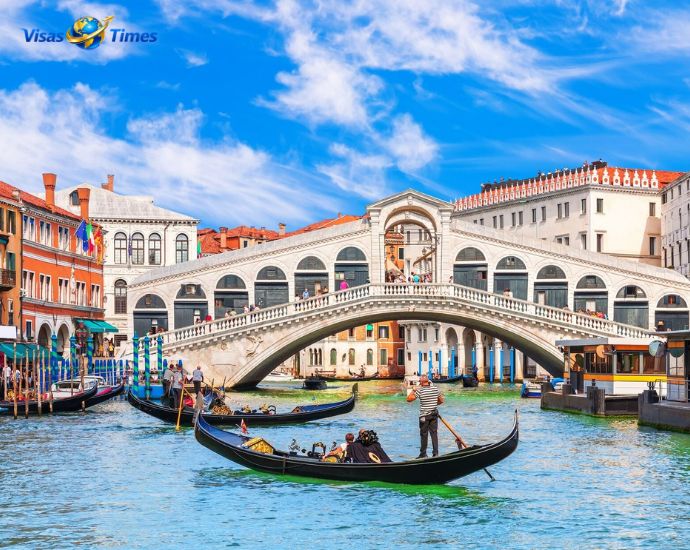
Immigration to Italy is an exciting opportunity for individuals seeking a high quality of life, rich culture and access to the European job market. Whether you’re planning to work, study or settle long-term, understanding the process is essential – especially for first-time applicants navigating the system.
Italy, known for its historic cities, world-class cuisine and vibrant lifestyle, attracts thousands of newcomers every year. However, the immigration process can feel complex if you are unfamiliar with visa types, eligibility criteria and documentation requirements. This comprehensive guide will walk you through everything you need to know.
Why Choose Italy for Immigration?
Italy offers a unique blend of professional opportunities and lifestyle benefits. From bustling cities like Milan and Rome to scenic regions like Tuscany, the country provides diverse living options.
Here are a few reasons why many people consider moving to Italy:
- Strong demand for skilled workers in sectors like healthcare, IT and engineering
- Access to the Schengen Zone for easy travel across Europe
- High-quality education and healthcare systems
- Rich cultural heritage and relaxed lifestyle
For many, Immigration to Italy is not just about career growth but also about experiencing a fulfilling way of life.
Overview of Italian Immigration System
Before applying, it’s important to understand how the Italian immigration system works. The process is regulated by quotas known as the “Decreto Flussi,” which determines how many non-EU workers can enter Italy each year.
The system generally involves:
1. Choosing the right visa type
2. Securing a job or admission (if required)
3. Applying for a visa from your home country
4. Entering Italy and applying for a residence permit
This Guide to immigration to Italy aims to simplify these steps so that you can approach the process with clarity and confidence.
Types of Italian Visas
Italy offers several visa options depending on your purpose of travel. Understanding these categories is crucial for first time applicants for an Italian Visa.
1. Work Visa
The Italian Work Visa is one of the most common routes for non-EU nationals. It requires:
- A valid job offer from an Italian employer
- Employer sponsorship and approval under the quota system
- Work authorization issued in Italy
Once approved, you can apply for a visa at the Italian consulate in your country.
2. Student Visa
If you plan to study in Italy, you’ll need a student visa. Requirements include:
- Admission to an Italian educational institution
- Proof of financial means
- Health insurance coverage
This visa can sometimes be converted into a work permit after graduation.
3. Self-Employment Visa
Italy also allows entrepreneurs, freelancers and investors to apply for self-employment visas. However, this category has strict eligibility criteria and limited quotas.
4. Family Reunification Visa
If you have family members legally residing in Italy, you may be eligible to join them through a family visa.
5. EU Blue Card
Highly skilled professionals can apply for the EU Blue Card, which offers better mobility within Europe and faster pathways to permanent residency.
Eligibility Criteria
Eligibility varies depending on the visa type, but some general requirements include:
- Valid passport
- Proof of financial stability
- Clean criminal record
- Health insurance
- Accommodation arrangements in Italy
For first time applicants for an Italian Visa, meeting these criteria is the first step toward a successful application.
Step-by-Step Application Process
Understanding the process is key to avoiding delays. Here is a simplified breakdown:
Step 1: Determine Your Visa Type
Choose the visa that matches your purpose-work, study or family reunification.
Step 2: Gather Required Documents
Prepare all necessary documents, including:
- Passport
- Application form
- Financial proof
- Employment or admission letter
Step 3: Apply at the Italian Consulate
Submit your application and attend a visa interview if required.
Step 4: Wait for Approval
Processing times can vary from a few weeks to several months.
Step 5: Travel to Italy and Apply for Residence Permit
Within 8 days of arrival, you must apply for a residence permit (Permesso di Soggiorno).
This Guide on Immigration to Italy emphasizes staying organized throughout the process to avoid complications.
Documents Required
While requirements differ by visa type, here are the common documents:
- Valid passport with at least two blank pages
- Visa application form
- Passport-sized photographs
- Proof of accommodation
- Financial statements
- Travel insurance
- Supporting documents (job offer, admission letter, etc.)
Ensuring accuracy in documentation is especially important for first time applicants for Italian Visa, as errors can lead to rejection.
Processing Time and Fees
Visa processing times typically range from 2 to 12 weeks, depending on the visa category and application volume.
Fees may include:
- Visa application fee
- Service charges
- Residence permit fees
Applicants should always check the latest fee structure before applying.
Residence Permit (Permesso di Soggiorno)
After arriving in Italy, obtaining a residence permit is mandatory. This document allows you to legally stay in the country for an extended period.
The process includes:
- Submitting an application at a local post office
- Attending an appointment at the immigration office
- Providing biometric data
Without this permit, your stay in Italy will not be legally valid, even if you have a visa.
Pathway to Permanent Residency and Citizenship
Many people pursuing Immigration to Italy aim for long-term settlement.
Permanent Residency
You can apply for permanent residency after legally residing in Italy for 5 years.
Citizenship
Italian citizenship is typically available after 10 years of continuous residence for non-EU nationals.
Both options require:
- Proof of stable income
- Knowledge of the Italian language
- Integration into Italian society
Common Challenges and How to Overcome Them
Immigrating to Italy can be rewarding, but it also comes with challenges:
1. Language Barrier
Learning basic Italian can significantly improve your experience.
2. Bureaucracy
Italy’s administrative processes can be slow and complex. Patience and proper documentation are key.
3. Job Market Competition
Having in-demand skills can increase your chances of securing employment.
This Guide to Italian Immigration encourages applicants to prepare in advance to overcome these hurdles effectively.
Tips for First-Time Applicants
If you’re applying for the first time, here are some practical tips:
- Start your application early to avoid last-minute stress
- Double-check all documents before submission
- Keep copies of all paperwork
- Stay updated with immigration policies
- Seek professional advice if needed
For first time applicants for an Italian Visa, careful planning can make the entire process much smoother.
Cost of Living in Italy
Understanding the cost of living is essential before making the move.
- Major cities like Milan and Rome are more expensive
- Smaller towns offer a more affordable lifestyle
- Monthly expenses typically include rent, food, transport and utilities
Budgeting properly ensures a comfortable transition into your new life.
Working in Italy
Italy’s job market is competitive but offers opportunities in various sectors:
- Tourism and hospitality
- Healthcare
- Engineering and manufacturing
- Information technology
Networking and learning Italian can significantly boost your employment prospects.
Immigration to Italy is a rewarding journey that opens the door to new opportunities, cultural experiences and a high standard of living. While the process may seem complex at first, proper planning and understanding of the requirements can make it much more manageable.
This Guide for Immigration to Italy has covered the essential steps, visa options and practical tips to help you get started. For first time applicants for Italian Visa, the key to success lies in preparation, accuracy and patience.
With the right approach, your dream of living in Italy can become a reality.
Follow VisasTimes for Latest Updates! Contact Us now…